SWOT analysis is a broadly used tool for determining a company’s internal and external environment and is part of the company’s strategic plan. SWOT study is a modest tool, but it is widely used to identify the strengths of the project or company. Understand the pain points, opportunities, and risks.
The first goal is to define the project or business activity and determine the inner and exterior characteristics necessary to achieve this goal. There are often strengths and weaknesses in the organisation. But there are often opportunities and risks.
SWOT is an acronym used to describe the strengths, weaknesses, opportunities, and threats significant to a particular company. SWOT should serve as a framework for identifying talents and opportunities currently unavailable due to resource shortages.
What is a SWOT Review, and How to Do It?
The SWOT analysis framework is known for its simplicity and accuracy. Like any design tool, SWOT analysis is as effective as the information provided. Detailed data and analysis are crucial to identifying critical environmental issues.
Strengths:
- What makes your organisation better than others?
- What’s your unique selling area?
- What do you think is your strength as a marketing leader and as a customer?
- How competitive is your organisation?
Weaknesses:
- What other organisation can do better than you?
- What aspects of your business add value today or today?
- How do your competitors and customers feel about your weaknesses?
Opportunities:
Evidence reveals facts that can harm an organisation. For example, a dry grain manufacturing company is at risk of drought because it damages or reduces the fields. Other common crises include rising commodity prices, increased competition, declining wages, and more.
Threats:
- Which new laws threaten employment?
- What are our competitors doing?
- Which customers’ tendencies threaten the business?
Also Read: Best SEO Tools for E-commerce Website
Were There Any Political, Economic, Social, Cultural, or Technological Changes that You Didn’t Like?
- Many companies are open to conducting analytics, conducting business research, analysing data, and determining the most appropriate plans or priorities to achieve their goals. Many advanced diagnostic tools are used to aid in job analysis
- Use SWOT data (strengths, weaknesses, opportunities, threats) to grow your business.
- The SWOT exam is a combination of strengths, weaknesses, opportunities, and threats for companies.
- The primary purpose of SWOT analysis is to help you gain a broader understanding of everything related to business decisions.
- Whether you’re looking for innovation, reviewing internal policies, opportunities for master plan changes, or implementing changes, do a SWOT review before going into business.
- Use the SWOT analysis to find tips and tricks and focus on your strengths and weaknesses to overcome your weaknesses and risks.
- To run your business successfully, Need to review your actions often to be sure you feel comfortable. While there are many different ways to estimate your commercial, a SWOT analysis is helpful.
- SWOT (Strengths, Weaknesses, Opportunities, and Risks) outlines an action plan that will help your business address new challenges and solutions.
- The primary purpose of SWOT analysis is to help you gain a broader understanding of everything related to business decisions. Albert Humphrey developed this method at the Stanford Research Institution in the 1960s, and research was conducted to find out why organisational design failed. From the very beginning, SWOT is now one of the most valuable tools for entrepreneurs to nurture their businesses.
When to Perform a SWOT Analysis?
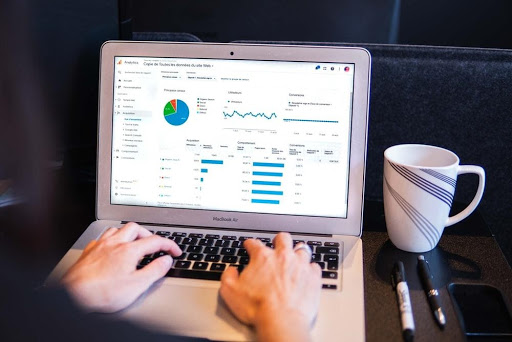
If you can get a SWOT analysis earlier, you can start a business; if you are looking for a new business, look at the national policy if you expand the plan or change half of the implementation. Sometimes it makes sense to look at a specific landscape of your work and do a general SWOT analysis to grow your business. Research requires a change in an area where your organisation is doing well.
Remember to think carefully about your work in the hope that everyone will come together. It will take some time to complete the official SWOT analysis and give you a full overview of your work. From there, you can find ways to promote your business’s strengths or leverage its strengths.
While the entrepreneur will certainly be involved in creating the SWOT survey, it will help other employees participate in this work. Get feedback from different employees and talk about your contributions. The general knowledge of the team allows you to analyse your work from all angles accurately.
Also Read: How Digital Marketing Helps to Grow Your Business
SWOT Analysis Properties
SWOT analysis focuses on these four short-term factors that allow corporations to recognise the forces manipulating the policy, action, or initiative. Awareness of these positive and negative aspects helps companies communicate more effectively about specific parts of the program.
In a SWOT analysis, users create a table divided into four columns to list all relevant comparable materials. There is usually no danger to the character when measuring strength, weakness, and skill, although this is appropriate.
“Once a risk is identified, business assets can be identified, separated, or disposed of to eliminate internal vulnerabilities or reduce risk. They go beyond risk management.
Internal Components for SWOT
- Capital (financing, income, and investment opportunities)
- Physical infrastructure (spaces, buildings, and equipment)
- Human resources (staff, volunteers, and target groups)
- Access to natural resources, trademarks, patents, and copyrights
- Day-to-day operations (personnel, industry hierarchy, and software systems)
Also Read: Tips to Be an Outstanding HR Professional
External Components for SWOT
- People with organisations, institutions, and businesses are influenced and influenced by outside forces. Whether these features are directly or indirectly related to the risk, it is significant to list and record them.
- External factors are usually things that you or your business cannot control:
- Market development (new products, technological development, and changes in consumer preferences)
- Economic development (local, national and international economic development)
- Funding (grants, legislation, and other sources)
- Relations with suppliers and partners
- Political, environmental, and financial criteria
- After creating the SWOT structure and completing the SWOT analysis, you need to make some tips and techniques based on the results.
- This is one of the policy decisions where institutions can be more creative and where new ideas can come in, but only if the analysis is appropriate.