Search engines such as Google have two search result varieties: paid and free. Both are important for generating traffic to the site. Organic traffic is valuable, and paid traffic can be valuable, but till it is considered a Cold Audience. And here we must know the difference between SEO vs SEM. If businesses pay Google for searches, paid results pop up. Organic results are the ones considered most appropriate by Google for the query.

Business owners can increase traffic on websites by using SEO and PPC to appear in organic and paid results.
In this post, we discuss when and how to use SEO, PPC, or both for a more general marketing strategy for search engines (SEM). The goal of this article is to show you what are the core differences between SEO vs SEM. So now let’s cover the basics.
What is SEO?
SEO ( Search Engine Optimisation) is the practice of optimising content that can be discovered through the organic results of a search engine.
Google and other search engines are examining hundreds of factors to determine which pages to rank for query. No one knows what all these variables are, but the most important ones are divided roughly into three buckets:
On-Page SEO
On-page SEO is the method of optimising particular web pages.
Examples of on-page tactics include:
- Matching search intent
- Covering a topic in-depth
- Using short and descriptive URLs
- Writing enticing title tags and meta descriptions
- Using descriptive alt tags for images (where appropriate)
- Writing simple and easy-to-read content
- Including keywords in famous places
Off-Page SEO
Off-page SEO is anything prepared outside of a website to enhance its rankings.
Examples of off-page tactics include:
- Getting backlinks from relevant and authoritative websites
- Earning brand mentions
- Building citations*
- Optimising your Google Business Profile listing*
- Earning positive reviews*
Side Note: Those marked with (*) are mainly important for local business SEO.
Technical SEO
Technical SEO includes making technical changes to improve search engines’ crawl, index, and rank content more effectively.
Examples of technical optimisations include:
- Improving page speed
- Using canonical tags to prevent duplicate content
- Using hreflang tags for multilingual content
- Optimising robots.txt for crawl efficiency
- “Noindexing” thin content
Also Read: Best SEO Toolsets for Agencies
What is PPC?
PPC (Pay Per Click) is a form of advertising where companies pay for clicks on their website from popular platforms such as search engines.
Users who click on this ad in Google, for example, get Apple money:

What is SEM?
SEM (Search Engine Marketing) is a general term that encompasses SEO and PPC.
Side Note: Not everyone agrees with this definition. Some see SEM as synonymous with PPC.
Maybe now you understand the primary difference between SEO and SEM.
Should You Use SEO, PPC, or Both?
Understanding what we really know about the marketing of search engines, it is reasonable to conclude that SEO is the way forward, because organic traffic is safe, consistent and passive. That’s not always the case here.
SEO often works great; other times, PPC is the most suitable choice. And sometimes, the use of both marketing strategies at the same time makes the most sense.
The following are four ways of using SEO, PPC, or both for best visibility and traffic on search engines.
- Run ads for keywords that are too competitive
- Use PPC and SEO for ad-heavy keywords
- Use SEO for informational keywords
- SEO and PPC are used to monopolise the search results
Also Read: SEO Course: Importance and Benefits
Run Ads for Keywords that are Much Less Competitive
Some keywords will take time to rank.
For example, if you have a brand-new supplement store and need to rank for “buying protein powder,” your short- to medium-term ranking possibilities are narrow.
This is because you are going against existing brands such as Amazon, Walmart, GNC and others.

Nonetheless, this does not mean that you will leave SEO and drive advertising. As ranking can be a long-term process for competitive requests, practising PPC when working to rank the site has a few advantages.
Use PPC and SEO for Ad-Heavy Keywords
Profitable keywords tend to attract lots of advertisers.
Just look at the results for “car insurance”:

Google shows four paid ads at the top, and that leads to fewer clicks on organic results as they get pushed down the page.
Use SEO for Informational Keywords
Many searches by Google are insightful. This suggests that people watch for learning, not buying.
Take a question, for instance, “how to make a protein shake,” that gets 2,100 searches a month.

It’s doubtful someone looking for that would be on the protein powder market. Most are trying to figure out how to make a tasty shake using the powder they have already ordered.
To Handle the Search Results, Using the SEO PPC
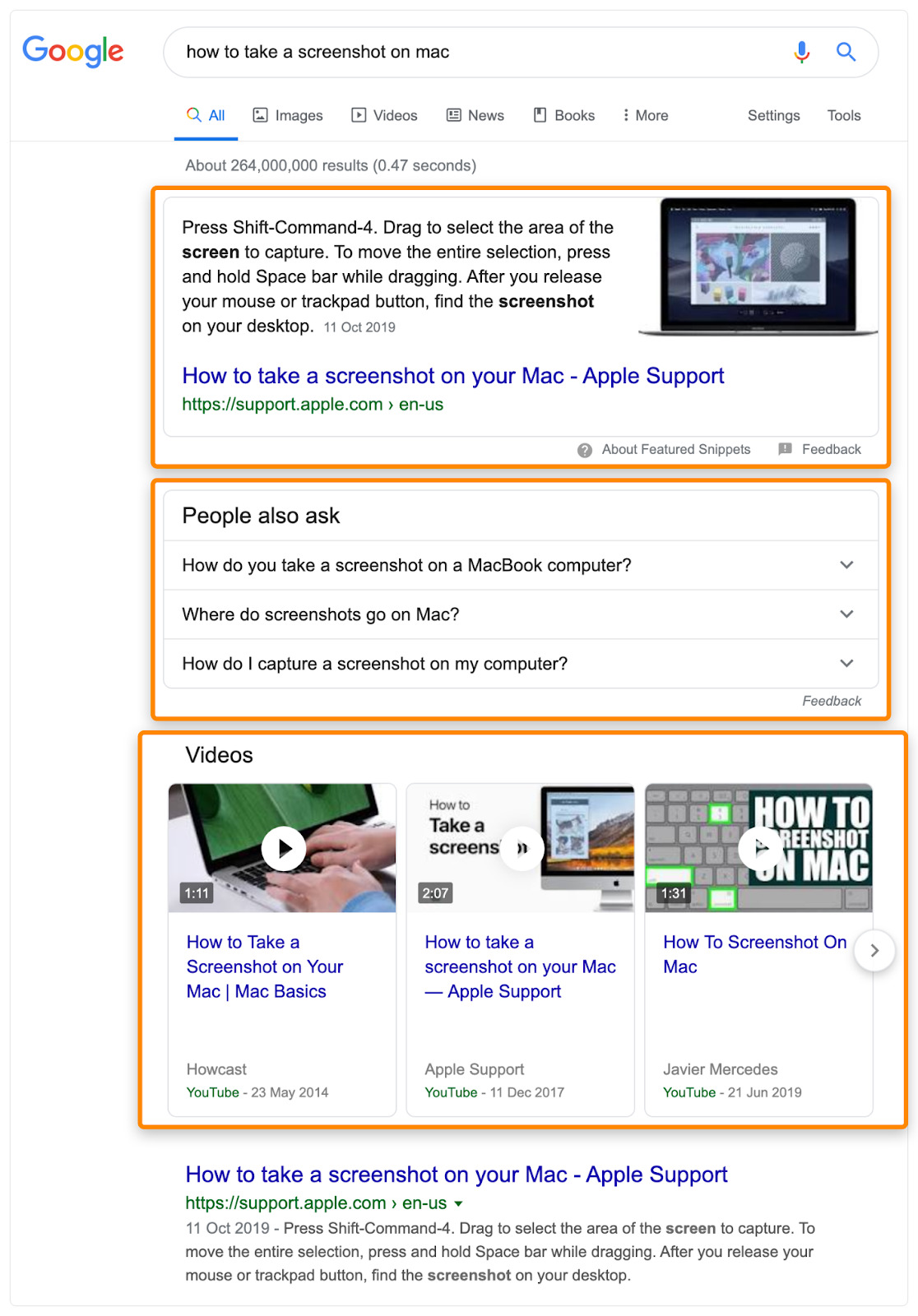
It’s not only ads that start the organic search results. Google also offers SERP tools for certain questions, such as highlighted samples, “people also ask” boxes, and video carousel.
Also Read: Different Types of SEO to Remember
Final Thoughts – SEO vs SEM
Search Engine Marketing ( SEM) is not an endless wrestling contest between SEO and PPC. The game is knowing when and where to use each strategy to get the desired results.
SEO is the solution sometimes, PPC or sometimes both. You get an idea of SEO vs SEM and can easily decide which will help you in what situation.
Terms in this guide